Rakija is one of the most important traditional drinks in Serbian culture. Made primarily by fermenting and distilling fruit, it appears at family gatherings, celebrations, restaurants and traditional events throughout Serbia.
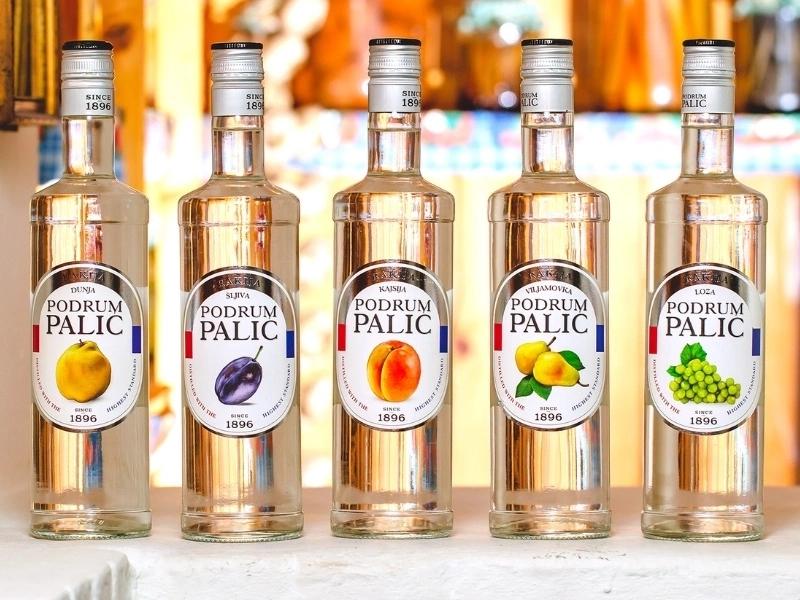
There is no single type of rakija. Plums, apricots, pears, quince and grapes can all produce very different spirits, ranging from fresh and aromatic to deep, complex and barrel-aged. For visitors to Serbia, understanding the main types of rakija is a useful introduction to the country's food and drinking traditions.
Types of Rakija in Serbia at a Glance
| Rakija |
Made From |
Typical Character |
| Šljivovica |
Plums |
Rich, fruity and sometimes oak-aged |
| Kajsijevača |
Apricots |
Fragrant and fruit-forward |
| Viljamovka |
Williams Pears |
Fresh, aromatic and elegant |
| Dunjevača |
Quince |
Intensely aromatic and distinctive |
| Lozovača |
Grapes |
Clean, dry and robust |
| Klekovača |
Plum Rakija & Juniper |
Herbal and aromatic |
| Višnjevača |
Sour Cherries |
Sweeter, fruitier and often liqueur-style |
What Is Rakija?
Rakija is a fruit spirit found across the Balkans, with a particularly important place in Serbian food and social culture. Traditional production begins with ripe fruit, which is fermented and then distilled.
The fruit used has a major influence on the final aroma and flavor. Plum produces the most culturally significant Serbian variety, while apricot, pear, quince, grape, apple and other fruits are also commonly used.
Rakija should not be confused with Turkish rakı. Although the names are similar, Turkish rakı is typically an anise-flavored grape spirit, while Serbian rakija is usually a fruit distillate without anise.
Šljivovica – Serbia's Best-Known Rakija
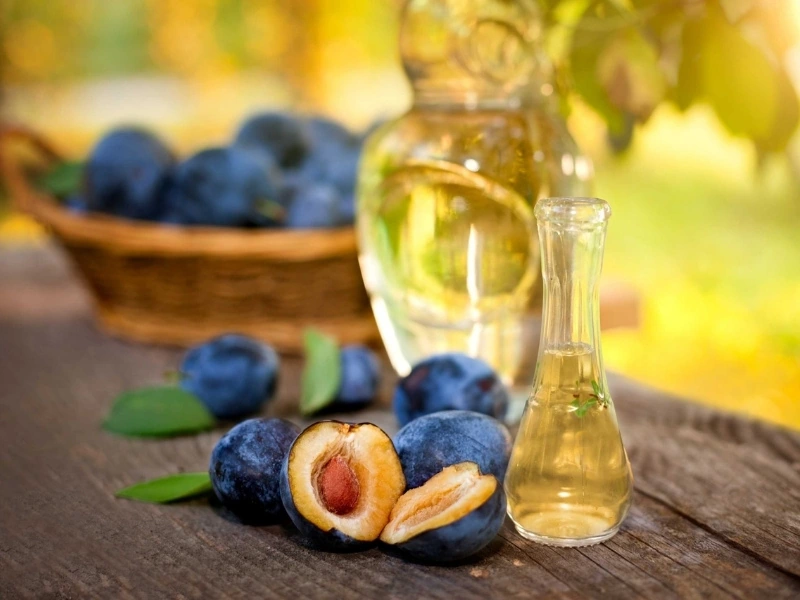
Šljivovica is made from plums and is the rakija most closely associated with Serbia. It has been produced for generations in households and distilleries throughout the country and plays an important role in Serbian celebrations, hospitality and family traditions.
The cultural importance of šljivovica goes beyond the drink itself. In 2022, the social practices and knowledge connected with preparing and using traditional plum spirit in Serbia were inscribed on UNESCO's Representative List of the Intangible Cultural Heritage of Humanity.
Young šljivovica tends to emphasize fresh plum aromas. Mature versions may be aged in wooden barrels, developing deeper color and more complex flavors while retaining their underlying fruit character.
Best for: First-time visitors who want to try the most traditional Serbian rakija
Kajsijevača – Apricot Rakija
Kajsijevača is distilled from ripe apricots and is particularly valued for its intense fruit aroma. A well-made version should retain a recognizable apricot character even though it is a strong distilled spirit rather than a sweet fruit drink.
Compared with some plum rakijas, kajsijevača often feels more floral and aromatic. It is a popular choice for visitors who want to experience the fruit-forward side of Serbian rakija.
Best for: Aromatic and fruit-forward flavors
Viljamovka – Williams Pear Rakija
Viljamovka is produced from Williams pears and is known for its distinctive fresh pear aroma. The ripe fruit is fermented before distillation, producing a clear spirit when it is not barrel-aged.
The aroma is one of the main attractions of viljamovka. High-quality examples retain a clear connection with the fresh pear while remaining dry rather than tasting like a sweet pear liqueur.
Some decorative bottles even contain a whole pear inside, created by attaching the bottle to the tree while the fruit is still small and allowing the pear to grow inside it.
Best for: Fresh, floral and elegant fruit aromas
Dunjevača – Quince Rakija
Dunjevača is made from quince, a highly aromatic fruit with a distinctive fragrance. Because quince contains less juice than many other fruits and can require careful processing, good-quality dunjevača is often highly valued.
The flavor is usually dry despite the fruit's fragrant character. A well-made quince rakija can offer floral, citrus-like and ripe-fruit notes without needing added sweetness.
Dunjevača is a good option for travelers who have already tried plum rakija and want to compare a noticeably different style.
Best for: Fragrant and distinctive fruit character
Lozovača – Grape Rakija
Lozovača is rakija distilled from fermented grapes. It is one of the classic fruit spirits found across the Balkans and has a cleaner, more direct character than many highly aromatic fruit rakijas.
It is important to distinguish lozovača from grape-pomace spirits. Depending on production method and local terminology, grape-based spirits can differ significantly in the raw material used and their final character.
Lozovača is commonly enjoyed as part of a traditional meal and works well for visitors who prefer a drier, less floral style.
Best for: Dry and traditional grape-spirit flavors
Klekovača – A Western Serbian Specialty
Klekovača is a distinctive specialty associated with western Serbia. It is traditionally based on plum rakija flavored with juniper berries, which add herbal and resinous aromas to the spirit.
The juniper character makes klekovača noticeably different from straightforward fruit rakijas. Travelers interested in regional Serbian food and drink traditions may find it particularly interesting because of its association with western parts of the country.
Best for: Herbal flavors and regional Serbian specialties
Višnjevača – A Sweeter Sour Cherry Style
Višnjevača needs a little clarification because it can differ from classic distilled fruit rakija.
Many versions are prepared by macerating sour cherries in rakija and adding sugar, which makes the resulting drink closer to a fruit liqueur than a pure distilled cherry spirit. This gives it a darker color, stronger cherry flavor and noticeably sweeter profile.
Because of its softer and sweeter character, višnjevača can appeal to people who find traditional dry rakija too intense.
Best for: Sweeter fruit flavors
What Is Prepečenica?
Prepečenica is not a fruit variety of rakija. The term refers to rakija that has been distilled again after its initial distillation.
In Serbian tradition, double distillation is particularly associated with plum rakija. It produces a more concentrated spirit and allows the distiller greater control over aroma, purity and strength.
Serbian tourism sources generally describe prepečenica as double-distilled rakija, commonly around 40–45% alcohol by volume, although strength can vary considerably depending on production and dilution.
Young Rakija vs Barrel-Aged Rakija
Not every rakija is aged in wood. Many fruit varieties, including pear and apricot, are often kept clear so their fresh fruit aromas remain the main focus.
Plum rakija is particularly well suited to barrel aging. Time in wood can change the color from clear to golden or amber and introduce additional aromas while softening some of the spirit's sharper edges.
Neither style is automatically better. Young rakija emphasizes fresh fruit, while aged rakija offers greater influence from maturation.
Homemade Rakija and Regional Traditions
Homemade rakija has an important place in Serbian family and rural traditions. Fruit may come from a family's own orchard, while knowledge about fermentation and distillation can be passed from one generation to another.
Different regions naturally emphasize different fruit varieties. Plum has an especially strong connection with central and western Serbia, while other fruit-growing areas produce excellent apricot, pear and quince rakijas.
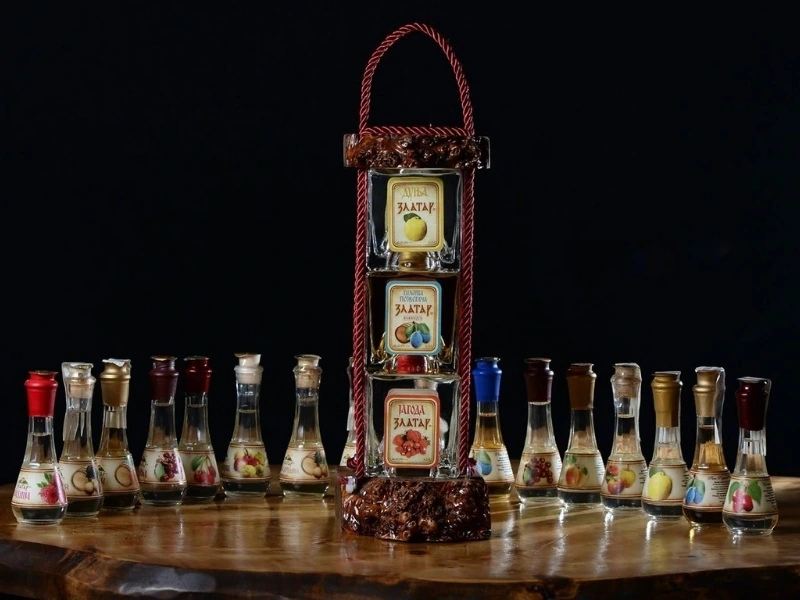
Quality can vary considerably with homemade spirits, so travelers who want to taste rakija are better served by reputable producers, restaurants or dedicated tasting venues where the origin is known.
How Is Rakija Traditionally Served in Serbia?
Rakija is usually served in small glasses and sipped rather than treated simply as a quick shot. In Serbian hospitality, offering rakija can be part of welcoming guests or marking an important occasion.
It may appear before a meal, alongside traditional Serbian appetizers or during a longer gathering. Plum rakija can work particularly well with Serbian meze such as cheese, kajmak and cured meats.
Serving temperature depends on the style. Young aromatic rakijas may be served slightly cooler, while mature plum rakija is generally served less chilled so its aromas are easier to notice.
Which Rakija Should You Try First?
If you want the most culturally significant introduction, begin with šljivovica. Plum rakija has the strongest connection with Serbia's traditional rakija culture and provides a useful reference point before trying other fruits.
Choose kajsijevača or viljamovka if you prefer strong fruit aromas. Dunjevača is a good choice for something more fragrant and distinctive, while lozovača suits visitors looking for a drier grape spirit.
For a regional variation, try klekovača. If you prefer sweeter drinks, višnjevača may be more approachable, although it is often made in a liqueur style rather than as a pure fruit distillate.
Where to Try Rakija in Belgrade
Visitors can encounter rakija throughout Belgrade, from traditional Serbian restaurants and kafanas to specialized rakija bars and tasting experiences.
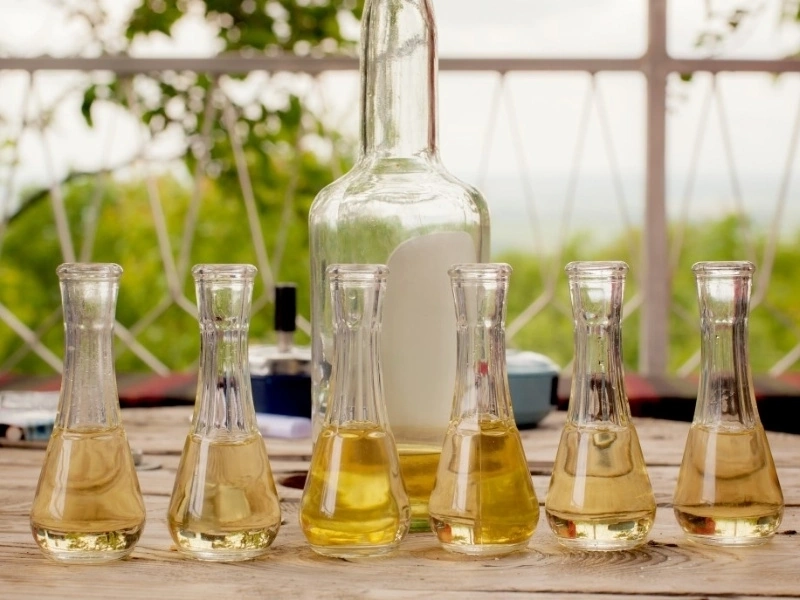
A tasting that offers several small samples is useful if you want to compare plum, quince, pear and apricot rakija without ordering a full serving of each variety.
Traditional restaurants are another good option because rakija can be experienced alongside Serbian food rather than separately from the cuisine it traditionally accompanies.
Is Rakija the Same as Turkish Rakı?
No. Despite the similar names, Serbian rakija and Turkish rakı are different spirits.
Serbian rakija is generally produced by distilling fermented fruit such as plums, pears, apricots, quince or grapes. Turkish rakı is traditionally a grape-based spirit flavored with anise.
The distinction is useful for international visitors because the two names are often confused even though their flavor profiles and production traditions are very different.
Why Šljivovica Is Important to Serbian Culture
Rakija is more than a drink in Serbia, and šljivovica is the clearest example. Plum growing, household distillation, family knowledge and the customs surrounding the drink form part of a living cultural tradition.
UNESCO recognized this wider heritage in 2022 by inscribing the social practices and knowledge related to the preparation and use of traditional plum spirit – šljivovica on the Representative List of the Intangible Cultural Heritage of Humanity.
For travelers, understanding this cultural context makes tasting rakija more meaningful. The differences between varieties reflect not only different fruits but also local agriculture, regional traditions and generations of knowledge.
Experience More of Serbian Culture in Belgrade
Combine Serbian food and drink traditions with museums, landmarks and local experiences. Check the attractions and activities available with the
Belgrade E-pass and plan your Belgrade itinerary.
What Is the Most Popular Rakija in Serbia?
Šljivovica, or plum rakija, is the best-known and most culturally significant type of rakija in Serbia. However, apricot, quince, Williams pear and grape rakijas are also widely produced and offer very different aromas and styles.
Rather than looking for one universally "best" rakija, try several fruit varieties and compare their aromas, age and production style. That is the easiest way to understand how diverse Serbian rakija can be.